Source Custom Mold Herb Preservation Box for Storage
Find 30 listings for the custom mold herb preservation box designed for arts, crafts, and health care products. Compare specifications including eco-friendly plastic materials, custom sizes, and OEM services from suppliers in Zhejiang and Guangdong; compare the available evidence and request quotations based on your requirements.
Key considerations
Products List






Comprehensive Sourcing Guide
Custom Mold Herb Preservation Box Sourcing Guide
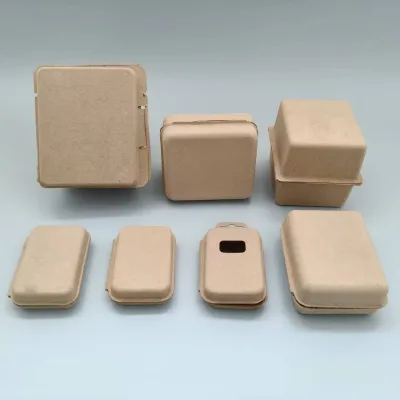
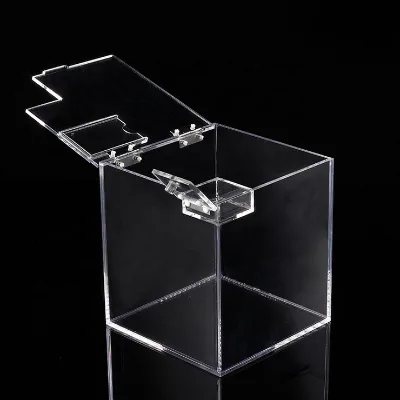
Procuring custom mold herb preservation boxes requires distinguishing between rigid storage solutions and specialized packaging designed for specific botanical applications. The observed market data indicates a strong presence of rectangular, Japanese-style storage boxes made from plastic or corrugated paper, often marketed as eco-friendly options for health care products and cosmetics. Buyers must carefully verify if the "Herb Keeper" designation refers to a simple storage bin or a specialized container with airtight properties, as the listed attributes vary significantly between rigid boxes and standard corrugated packaging.
The sourcing landscape reveals a mix of suppliers offering OEM and ODM services with customizable dimensions and surface finishes like UV lamination or hot stamping. While some listings highlight GMP certification and child-resistant features, others focus on general arts and crafts or jewelry applications. It is critical to confirm whether the specific mold design supports the intended preservation needs, such as humidity control or light protection, rather than assuming all listed "Herb Keeper" products share identical functional capabilities for long-term storage.
Product Scope and Observed Listing Signals
Buyers should first analyze the material composition, as the available data shows a divergence between plastic-based storage bins and corrugated paper boxes. The plastic options are often described with Japanese styling and specific dimensions like 13.3823cm, while paper-based alternatives emphasize eco-friendly features and custom printing capabilities. This distinction is vital because the material choice directly impacts the box's ability to protect herbs from moisture and degradation, requiring a clear definition of the primary preservation requirement before engaging with suppliers.
Another key signal is the customization level, where suppliers frequently offer free design services and accept custom orders for logos and dimensions. The observed listings include options for single-page printing, holographic finishes, and various color schemes including Pantone and CMYK. However, buyers must verify if the "custom mold" aspect applies to the structural shape or merely the decorative surface, as some products listed as "Herb Keepers" are standard rigid boxes repurposed for herbal storage rather than purpose-built preservation units.
Technical Specifications to Verify
Dimensional accuracy is a primary verification step, as the observed data presents conflicting standard sizes ranging from fixed measurements to fully custom specifications. Some products list specific dimensions like 13.3823cm, while others explicitly state "Custom Size" or "Custom" for their standard. Procurement teams must request detailed CAD drawings or physical samples to ensure the internal volume and structural integrity match the specific volume and shape of the herbs being stored, preventing issues with product fit or inefficient space utilization.
Surface finishing and structural durability also require rigorous testing, particularly regarding the claimed waterproof and durable features. The market data indicates options with glossy, matte, or UV lamination finishes, alongside embossing and stamping processes. Buyers should verify the specific surface handling techniques used to ensure they provide adequate protection against environmental factors like humidity or light exposure, which are critical for maintaining the potency and freshness of herbal products during storage and transit.
Compliance and Safety Documentation
Safety compliance is paramount when sourcing packaging for health care products, especially given the mention of GMP certification and child-resistant features in some supplier profiles. Buyers must request valid certification documents to confirm that the packaging meets regulatory standards for pharmaceutical or cosmetic applications, ensuring the materials are non-toxic and safe for direct or indirect contact with herbal contents. Without verified documentation, the risk of non-compliance with international safety regulations increases significantly, potentially leading to product recalls or legal liabilities.
Environmental compliance is another critical area, as many listings highlight eco-friendly attributes and biodegradable options. Procurement teams should verify the specific environmental certifications or material declarations that support these claims, distinguishing between genuinely biodegradable materials and those simply labeled as such. Ensuring the packaging aligns with sustainability goals requires checking for third-party validation of the eco-friendly claims, particularly when the product is intended for markets with strict environmental regulations regarding plastic and paper waste.
Cost Drivers and Commercial Terms
Pricing structures in this category are heavily influenced by the level of customization, with costs varying based on mold creation, material selection, and printing complexity. The observed data shows a wide price range, suggesting that simple corrugated boxes differ significantly in cost from complex, multi-layered rigid boxes with specialized surface finishes. Buyers should anticipate higher unit costs for custom molds and unique structural designs, while bulk orders may offer economies of scale that offset the initial investment in tooling and design services.
Payment terms and lead times are also significant commercial factors, with standard practices including a 30% deposit and 70% balance payment structure. The observed delivery times range from 20 to 35 days after deposit, though sample orders can be fulfilled within 3 to 7 business days. Procurement planners must account for these timelines when scheduling production runs, ensuring that the lead time accommodates the design approval, mold creation, and mass production phases without disrupting the overall supply chain schedule.
Supplier Qualification and Quality Control
Supplier qualification should focus on verifying their experience with custom molds and their ability to maintain consistent quality across large production runs. The presence of OEM and ODM services suggests a capacity for tailored solutions, but buyers must assess the supplier's track record in handling complex projects involving specific materials like plastic or corrugated paper. Requesting references from previous clients in the health care or cosmetic sectors can provide insight into the supplier's reliability and their ability to meet specific preservation requirements.
Quality control protocols must be established to ensure that the final products meet the agreed-upon specifications for dimensions, material strength, and surface finish. Buyers should implement a rigorous inspection process that includes checking for defects in printing, verifying the structural integrity of the custom mold, and testing the packaging's resistance to environmental factors. Establishing clear acceptance criteria and conducting pre-shipment inspections will help mitigate the risk of receiving substandard products that fail to protect the herbal contents effectively.
Long-Term Procurement Checks
Sustainability and material availability are critical considerations for long-term procurement, as the supply chain for eco-friendly materials can be subject to fluctuations. Buyers should assess the supplier's ability to source consistent, high-quality materials that meet environmental standards over an extended period, ensuring that the packaging remains compliant with evolving regulations. Developing a relationship with a supplier who has a stable supply chain will help maintain product consistency and reduce the risk of disruptions in the future.
Continuous improvement and innovation should be encouraged through regular reviews of the packaging performance and market trends. Buyers should engage with suppliers to explore new materials, finishes, or structural designs that could enhance the preservation capabilities of the herb boxes. By maintaining an open dialogue and staying informed about advancements in packaging technology, procurement teams can ensure that their custom mold herb preservation boxes remain competitive and effective in meeting the evolving needs of the market.
FAQs
Can I customize the logo on the herb keeper box?
Yes, customized logo printing is accepted for these storage boxes. You can choose from offset printing, hot stamping, or UV varnishing to brand your packaging. The supplier welcomes OEM and ODM requests, allowing you to create original designs or adapt existing samples to meet your specific marketing and branding requirements.
What are the standard dimensions for the herb preservation box?
The standard product model K9851 measures 13.3 by 8 by 23 centimeters. However, custom sizes are also available to fit specific product needs. The box is made from plastic and corrugated paper materials, ensuring durability while maintaining a lightweight profile under 0.5 kg for efficient shipping and handling.
How long does delivery take after placing an order?
Delivery typically takes 20 to 35 days after the deposit is paid. For sample orders, production is faster, usually completed within 3 to 7 business days. The payment terms require a 30% deposit via T/T, with the remaining 70% balance paid before shipment to secure production slots.
What packaging options are available for bulk orders?
Individual units are packed in color boxes for retail presentation. For bulk shipments, the supplier uses carton packing, often with waterproof film protection to ensure safety during transit. This dual packaging approach protects the product integrity while allowing for flexible distribution strategies for different market channels and customer preferences.
Where are these custom boxes manufactured?
These boxes are manufactured in China, with origins listed in Zhejiang and Guangdong provinces. The suppliers offer various surface finishes including glossy, matte, and UV lamination. They also provide free design services to help buyers create unique packaging solutions that align with their brand identity and product requirements.
Is the herb keeper box eco-friendly?
Yes, the product is described as eco-friendly and stocked for immediate availability. It is made from plastic and corrugated paper materials, which are selected for their sustainability. The supplier highlights features like durability and waterproofing, ensuring the packaging protects contents while meeting modern environmental standards for consumer goods and cosmetics.